
Discovering Málaga through Picasso is much more than just visiting a museum. It means walking through the square where he used to play as a child, stepping inside the church where he was baptised, and strolling through the streets he knew before becoming one of the most influential artists of the 20th century. This Picasso trail in Málaga invites you to explore the historic centre at a different pace, with time for art, stories and little discoveries.
The itinerary combines four key stops, all very close to one another, and a few additional spots. It can be covered on foot in a morning if you choose just one indoor visit, although it is best to book between three and five hours to take your time exploring the Birthplace, the Picasso Museum and the surrounding area.
Picasso and Málaga: the beginning of a universal story
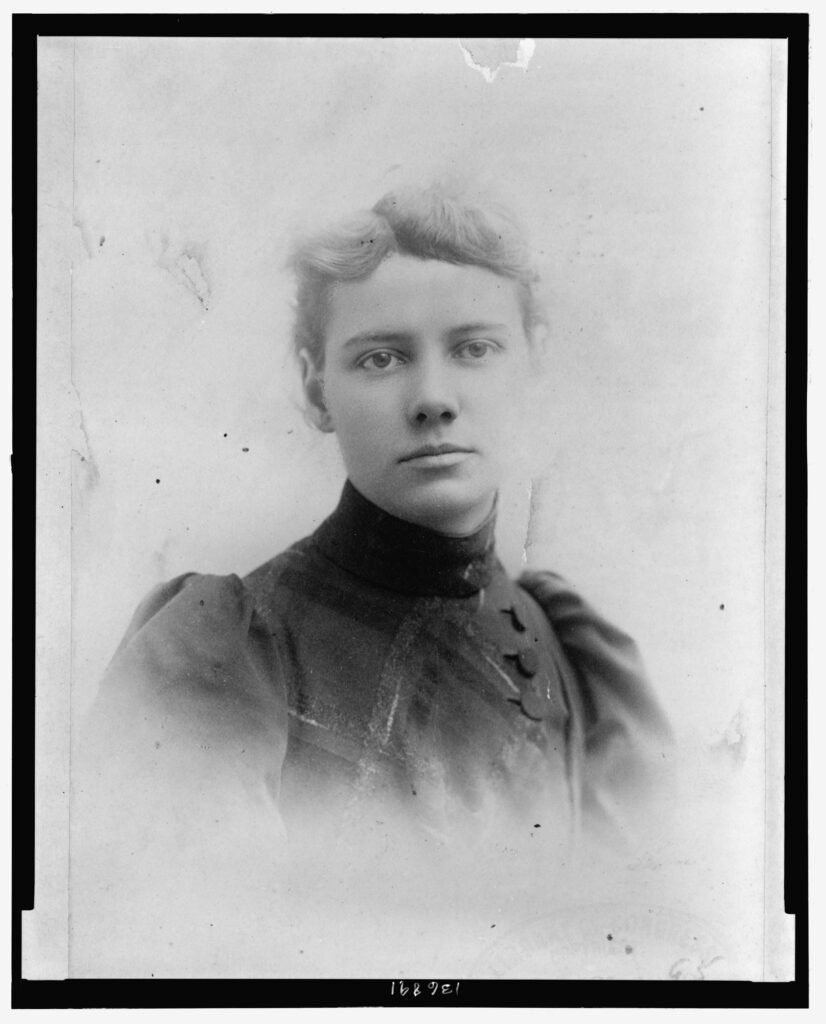
Pablo Ruiz Picasso was born on 25 October 1881 in Málaga. His family lived in the city during his early years, before moving to La Coruña in 1891. Barcelona, Paris and other key locations in his life were to follow, but the painter’s first connection with the world began on the shores of the Mediterranean.
His father, José Ruiz Blasco, was an art teacher and had links with the former municipal museum. Through him, Pablo was introduced to painting at a very early age. The light, the harbour, the streets and the everyday scenes of nineteenth-century Málaga formed part of that childhood world which the city still evokes today.
You don’t need to know the details of his life story to enjoy this outing. Simply let the places guide you, pause to admire the façades, and discover how the life of a boy from Málaga is linked to the history of modern art.
The Picasso Trail in Málaga: four unmissable stops
1. Plaza de la Merced: where it all began
The Picasso trail in Málaga can start at the Plaza de la Merced, one of the most recognisable spots in the historic centre. Its buildings, terraces and the monument to Torrijos form part of a lively urban landscape where it is easy to imagine a very different city – the one that little Pablo knew.
The building where the artist was born is at number 15. It is worth spending a few minutes walking around the square before entering the museum, taking in the details of the façades and imagining yourself in the setting of his earliest memories.
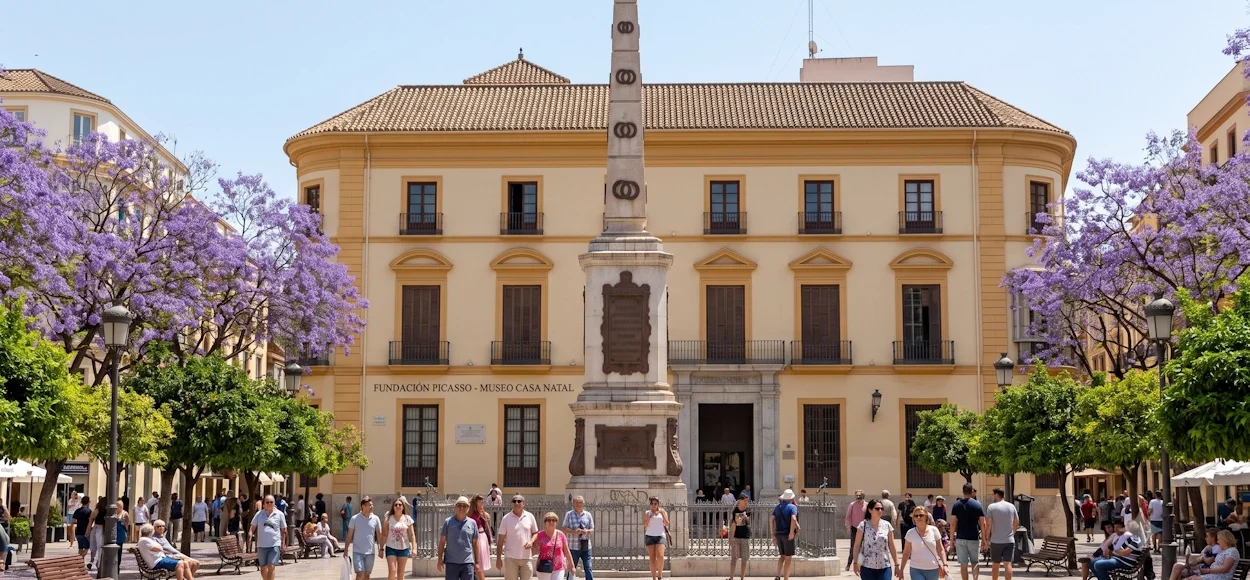
2. Birthplace Museum: childhood before the myth
The Picasso’s Birthplace Museum It offers an insight into the family, cultural and artistic context of his early years. Rather than focusing solely on famous paintings, it is worth paying attention here to everyday life, documents, artefacts relating to his surroundings and the exhibitions that round out the story.
The tour serves as an ideal introduction for anyone encountering the painter’s work for the first time. It also helps visitors to understand that behind a world-renowned name lay a family, a city and a specific childhood.
Travel tip: Check the official opening times and admission prices before you go. The museum has limited capacity and, on busy days, it is advisable to plan your visit in advance.
3. Santiago Church: a short stop with a rich history
From the square, simply go into the Granada Street to reach the Church of St James the Apostle, one of Málaga’s historic churches. Picasso was baptised here, so this stop directly links the city tour with the artist’s family history.
The church combines architectural features from different periods and boasts a distinctive Mudejar tower. There’s no need to spend a long time there: simply pausing to admire its façade and stepping inside when access is permitted adds another highlight to your itinerary.
This stretch is best enjoyed at a leisurely pace. Calle Granada retains the atmosphere of a traditional street in the old town and leads naturally towards our next destination.
4. Picasso Museum, Málaga: an encounter with his work
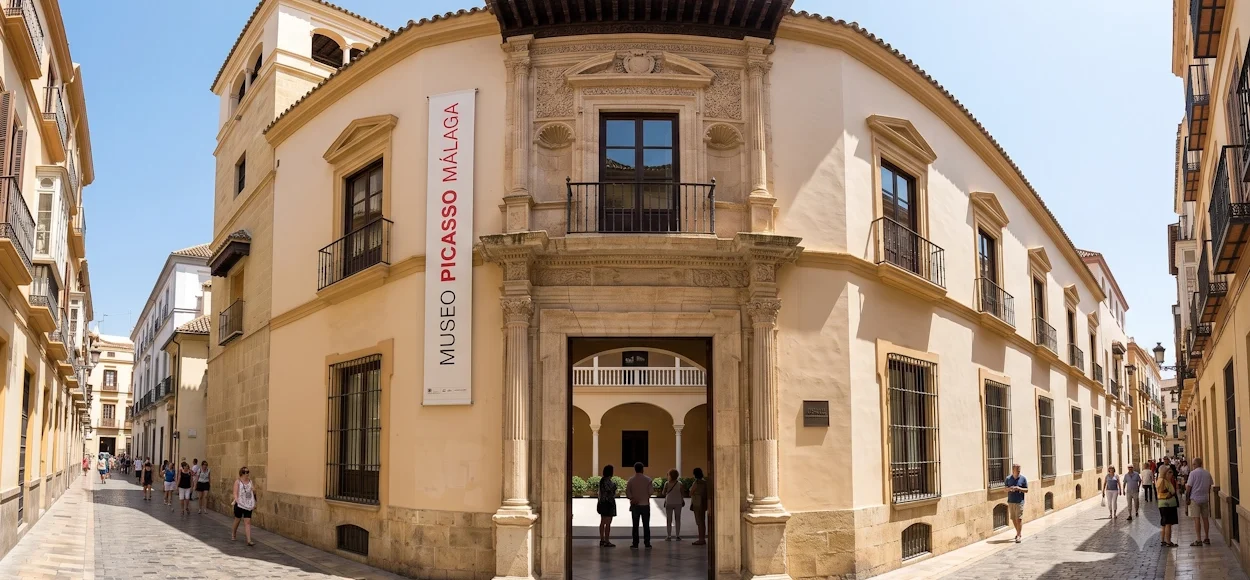
In the nearby 8 San Agustín Street, the Buenavista Palace is home to the Picasso Museum, Málaga, which opened in 2003. It is the main attraction for those who wish to explore Picasso’s artistic development through his works and discover the dialogue between the painter and his hometown.
The historic building and the exhibition spaces are all part of the experience. It is well worth setting aside enough time to wander through the galleries, pause to look at the works that catch your eye and explore the surroundings, so as not to turn your visit to the museum into a rushed affair.
If you’re planning the Picasso trail in Málaga, it’s worth checking the temporary exhibitions before you travel: they might give you another reason to come back. If you’re short on time, this is the stop where you should spend most of the morning.
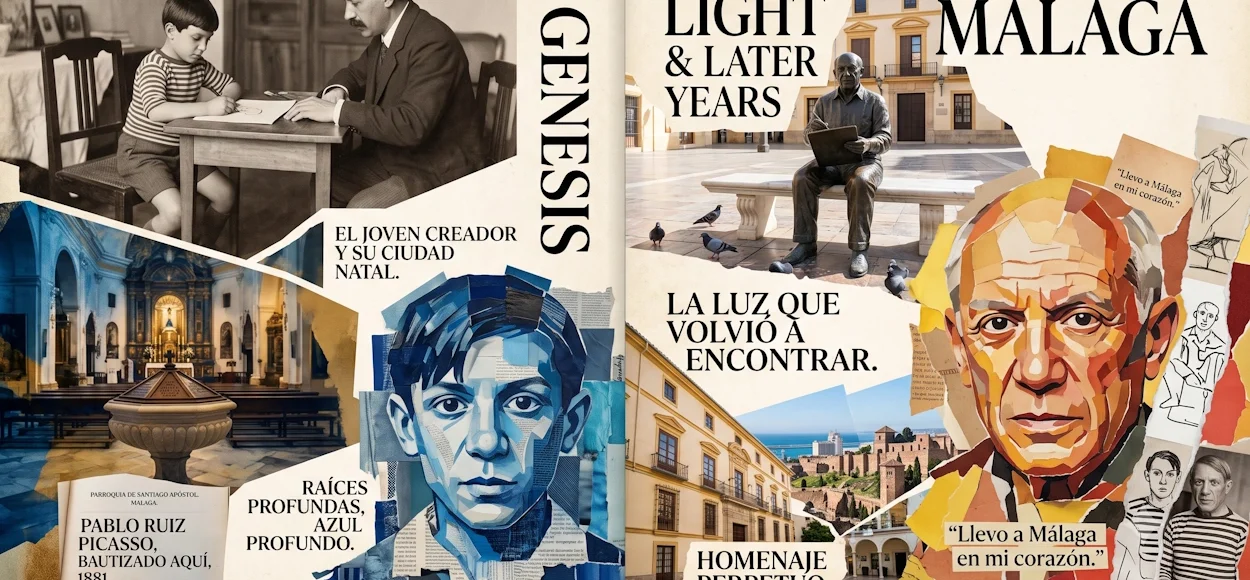
Beyond the museums: other corners of Picasso’s Málaga
Anyone wishing to extend the Picasso trail in Málaga can continue on to the area of St Augustine, linked to the places where José Ruiz Blasco, the painter’s father, worked. The official tour also highlights the former San Rafael school, situated on what is now Calle Comedias, and the family’s connection to various locations in the city centre.
Not all buildings function as museums or allow visitors inside. That is precisely why this extension should be seen as an urban stroll: it is about looking at the city in a different way, recognising some traces of its past and connecting places we would normally pass by without stopping.
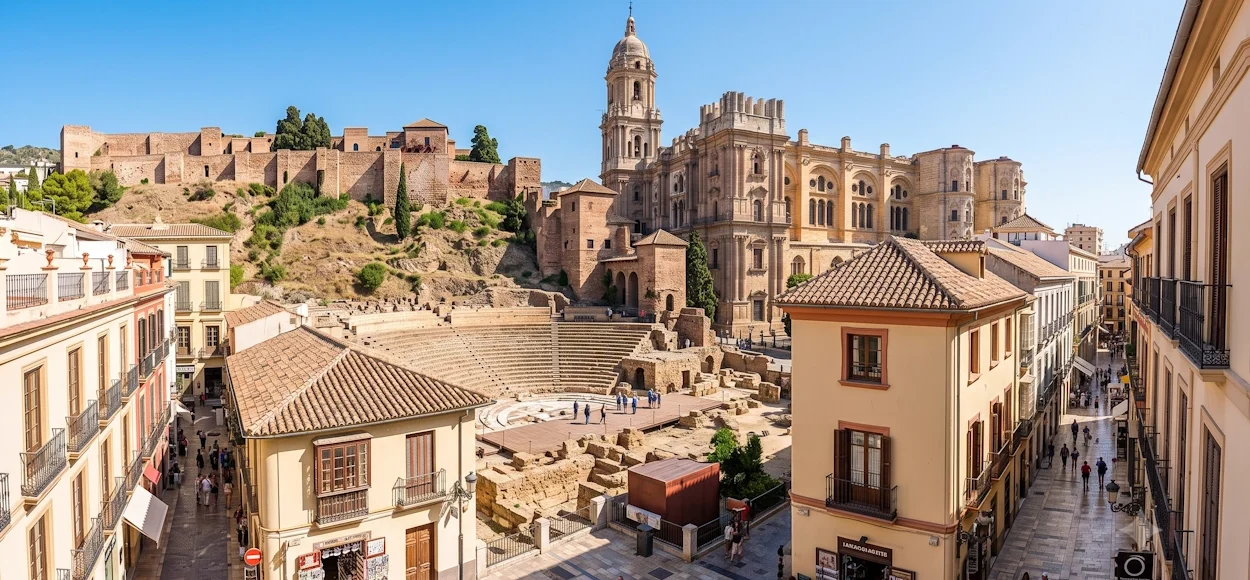
The Constitution Square and the surrounding area help to complete that picture of the Málaga where the Ruiz Picasso family lived. And if you fancy carrying on, from the historic centre it’s easy to make your way to the cathedral, the Roman Theatre or the Alcazaba, even if these lie outside the strictly Picasso-themed itinerary.
A cultural morning that can also be enjoyed at the table
The Picasso trail in Málaga also encourages you to make time for some local cuisine between visits. A coffee in the La Merced area, lunch near the cathedral or a stop to share some traditional dishes will make the tour a more complete experience.
There’s no need to spend hours hopping from one museum to the next. Alternating a cultural visit with a stroll through the streets, squares and markets allows you to experience the city beyond its monuments.
To continue your journey through local flavours, why not take a look at our feature? Málaga is a taste sensation: from skewers to tradition and haute cuisine.
Practical tips for organising your visit
When to go. The route can be followed all year round. In the warmer months, it’s best to set off early to make the most of the streets and outdoor spaces.
How long to book for. An initial exploration of the city centre can take between one and two hours on foot; if you include the Picasso Birthplace and the Picasso Museum, it’s best to allow half a day or even a full day.
Tickets. The Picasso Birthplace and the Picasso Museum are separate organisations and manage their own ticketing and admission charges. Please check their official websites for current terms and conditions, discounts and free entry times. Avoid relying on opening hours published several years ago.
Mobility. Much of the route runs through pedestrianised streets in the city centre, where the paving may be uneven in places. If you require accessible access, please check the accessibility information for each museum in advance.
How to get there. To follow the Picasso trail in Málaga, you don’t need to use a car to get from one stop to the next. It’s best to get to the city centre by public transport or to leave your car in a car park and walk.
Picasso as a gateway to another side of Málaga
Picasso is part of the universal history of art, but the beginning of his journey remains linked to a square and a few streets in Málaga. That is part of the charm of this visit: it allows you to move from his biography to the actual places, and from his works to the city that witnessed his first steps.
At the end of the Picasso trail in Málaga, visitors take away more than just the memory of a museum. They take away a new emotional map of the historic centre, a story to tell and, most likely, a desire to return to continue discovering everything else there is to see.
Useful information
Destination: Málaga city, Andalusia.
Type of trip: Cultural tourism, art and heritage.
Itinerary: Plaza de la Merced → Casa Natal Museum → Santiago Church → Picasso Museum, Málaga.
Recommended duration: Half-day tour with indoor visits; can be extended to a full day.
Official information: Birthplace Museum · Picasso Museum, Málaga · Picasso Cultural Trail through Málaga.